Benefits of a Demo Account for Trading
 Jan DreherJuly 20267 min read
If you're exploring the financial markets for the first time, you'll quickly notice one thing: the opportunities are endless, but so are the risks. The temptation to jump straight in with real money and chase quick profits is strong. Yet in the complex world of the markets, preparation is the key to long-term success. This is where demo account trading comes in.
A practice account is the most powerful tool available to aspiring traders. It acts as a kind of sandbox where you can experience the mechanics of the markets first-hand, without putting a single cent of your hard-earned money on the line. In this comprehensive guide you'll learn why this intermediate step is so essential, what to look for when choosing a provider, and how to get the most out of your virtual trading phase.
What is a demo account and how does it work?
Before we dive into the benefits, we need to cover the basics. At its core, trading with virtual funds is exactly the same as real trading, with one crucial exception: the capital you deploy is fictional.
Many beginners ask themselves: How does a market simulator work? The answer is simple. A simulator mirrors real market conditions. When the price of a particular stock rises in reality, it rises on your practice account too. When a currency pair loses value, you see that loss immediately in your virtual portfolio. The broker gives you fictional starting capital, often between 10,000 and 100,000 euros, and you can use it to buy and sell, set stop-loss orders and plan profit-taking.
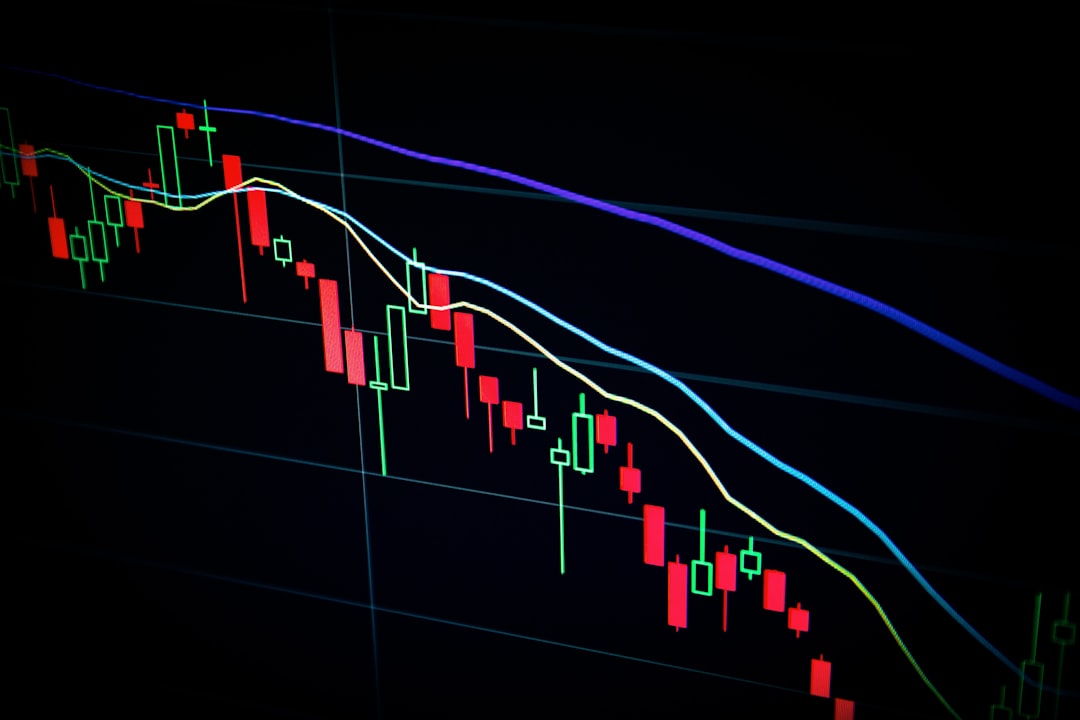
The unbeatable advantages of virtual trading practice
Jumping straight into the deep end of the financial markets ends in painful losses for many beginners. A demo trading account offers a safe harbor here, combining several essential advantages in one.
1. A risk-free entry into the world of finance
The most obvious benefit is the protection of your capital. A free trading platform for beginners provides the ideal setting to get used to market volatility. If you want to simulate stock trading for beginners, you learn how economic data, quarterly figures or global events affect prices. Every mistake you make here costs you only a virtual amount and delivers valuable lessons in return.
2. Master the technology and software
Professional trading software can look intimidating at first glance. Numbers flash everywhere, charts update by the second and there are dozens of order types. The demo account is there to help you get to know the trading software interface. You learn where each function is located, how to open or close a position with a single click and how to manage your open trades. That way you later avoid fatal misclicks, so-called fat-finger errors, which can get expensive in real trading.
3. Practice technical analysis hands-on
For many traders, technical analysis is the heart of their decision-making. In the simulation you can extensively try out chart analysis tools risk-free. Draw trend lines, apply indicators like the MACD or Bollinger Bands and watch whether your forecasts come true. You have all the time in the world to develop a feel for patterns and formations in the charts.
4. Perfect your own tactics
Successful traders never act on gut feeling but follow a strict plan. With a practice account you can test a wide range of strategies without financial risk. Whether you're interested in short-term day trading, medium-term swing trading or long-term investing, you can put your ideas to the test under real conditions, adjust them and optimize them.

Finding the right broker for your practice account
The choice of brokers is huge, and not every offer is equally good. So what should you pay attention to when you want to open a test account?
First of all, the trading demo account should be free. Reputable brokers charge no fees for providing a simulator. Another important criterion is the question: Is test access time-limited? Some providers cap usage at 30 days. For beginners, however, it makes far more sense to choose a broker that offers an unlimited practice account, since the learning process often takes months.
If you're specifically interested in currencies or contracts for difference, look specifically for a forex demo account or check who counts as the best broker for CFD practice accounts. Make sure the provider offers exactly the asset classes in the demo version that you later want to trade with real money too. For currency traders, a pure forex demo is ideal for understanding the interplay of currency pairs such as EUR/USD or GBP/JPY.
Tip for those in a hurry: A few platforms even offer a trading demo account without registration directly in the browser. These are excellent for a very first, quick look at the markets, but usually don't offer the full functionality of a regular account. For traders who are often on the move, a smooth and clear trading demo app is also indispensable for monitoring positions on the go.
Your path into the simulation
Getting started in the world of fictional trading is straightforward. Here's your step-by-step guide to a practice account:
- Broker comparison: Compare different providers in terms of platform, tradable instruments and ease of use.
- Registration: Go to the broker's website and select the option for the test account. This lets you open a fictional account without a deposit. Usually your name and email address are enough.
- Software download or web access: Download the trading platform (e.g. MetaTrader) or use the web trader in your browser.
- Setup: Adjust the charts and the interface to your personal preferences.
- Set your starting capital: Set the virtual capital to a realistic value (more on that in the next section).
Training successfully: practical tips
A demo account is only as good as the trader who uses it. If you don't take your time in the simulator seriously, the switch to real trading will be difficult.
- Realistic amounts: A common mistake is to start with a virtual balance of one million euros when you really only have 2,000 euros available. You need to learn to manage your virtual starting capital as if it were your own. Set the account balance in the simulator to exactly the amount you actually intend to invest later. That's the only way to learn proper position sizing and risk management.
- Watch for live data: Make sure your broker offers real-time prices in the simulation. Delayed prices (often shifted by 15 minutes) make it impossible to practice short-term trading in particular, such as scalping or day trading.
- Keep a trading journal: Document every one of your trades even in demo mode. Why did you enter? Where was your stop-loss? Why did you exit? This documentation is worth its weight in gold for your error analysis.

The big hurdle: mindset and emotions
As valuable as the practice account is, it has one fundamental weakness: the human psyche. The psychological differences with paper trading (another term for demo trading) compared to real-money trading are enormous.
If you lose 500 euros of play money, you'll probably just shrug your shoulders. But lose 500 euros of your savings and your pulse quickens, fear sets in and rational decisions suddenly become incredibly hard. In demo mode it's easy to let a losing position run in the hope that it recovers. In real life, exactly this behavior often leads to a total loss.
This brings us to a central topic: typical mistakes when transitioning to a live account. Many traders feel invincible because they've made fantastic profits in the simulator over weeks. But as soon as real money is on the line, they throw all their discipline overboard. They close winning trades far too early out of fear of pullbacks and move stop-loss levels because they don't want to accept losses.
How do you master this transition? The key lies in a gradual transition. Once you've developed a profitable strategy on the demo account and feel 100 percent confident with the platform, don't switch straight into live trading with all your capital. Start with the smallest possible positions (for example so-called micro lots in forex trading). This way you gradually get used to the emotional strain of real trading without immediately taking on a large financial risk.
Conclusion: the foundation for your trading career
Demo account trading is not a tedious obligation to get over with quickly. It's the foundation on which your entire later career in the financial markets is built. It gives you the luxury of a protected learning environment. You can get to know the software down to the smallest detail, put indicators and strategies through their paces and learn strict risk management, all without risking a single cent.
Take the time you need. Compare brokers, use mobile apps for training on the side, and treat your virtual capital from day one with the same respect you'd give your real money. Anyone who shows discipline, patience and a clear strategy in the simulator has the best conditions to repeat those successes later on the real, highly volatile financial markets. Take the first step today, open your practice account and begin your journey into the fascinating world of trading: smart, safe and optimally prepared.
To the lessons
Read the theory? Practice it with play money before it costs you real money.
Over 100 free lessons, a simulator with real live prices and the position size calculator. No subscription, no payment details.
Start for freeJan Dreher is the founder of learn-daytrading.com and builds tools for crypto traders, including the simulator with real live prices from Binance and Bybit and the platform's position size calculator. Here he writes about the craft behind trading: risk, position size and the math most traders fail at. Every number in his articles is verifiable, every recommendation is justified.